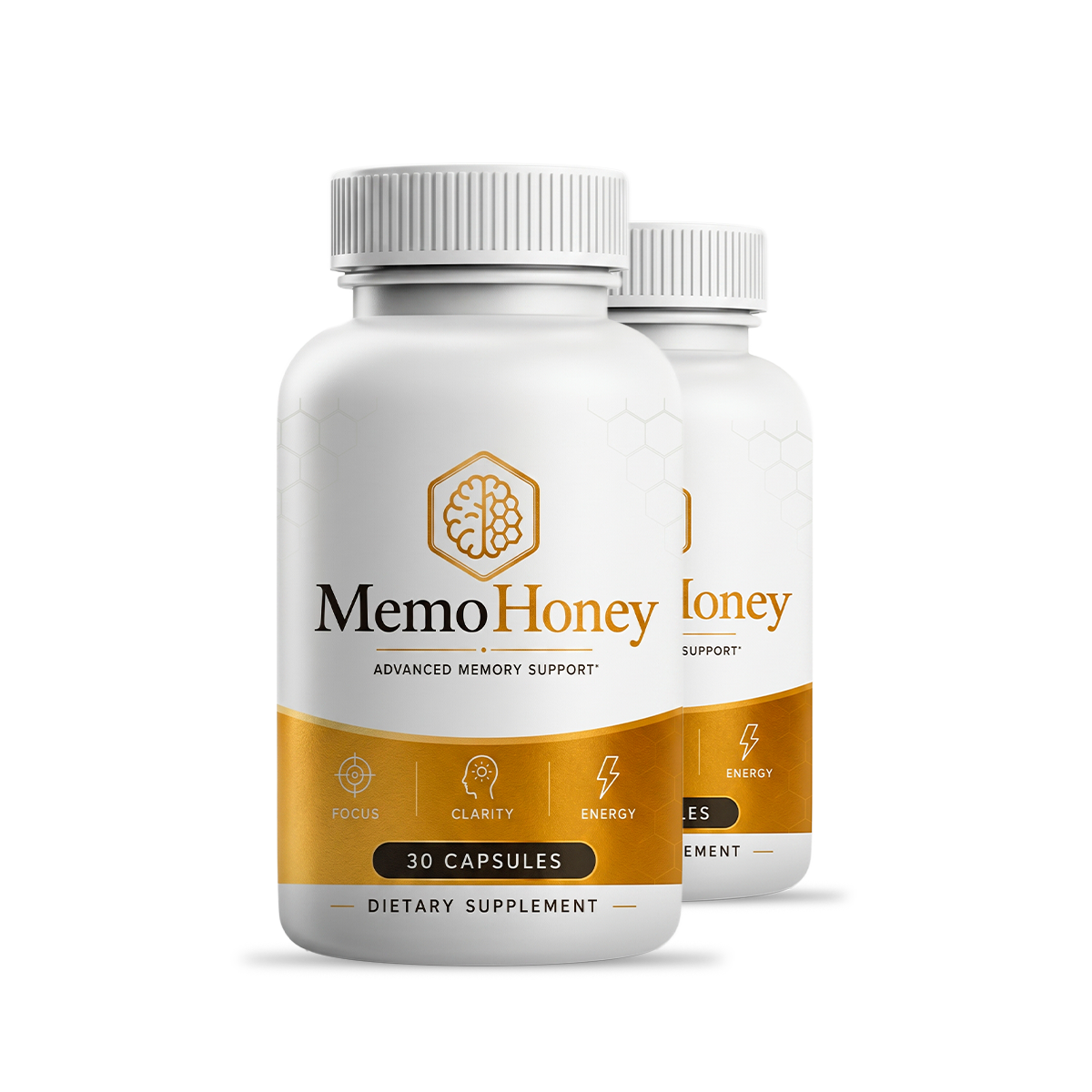
Memo Honey — What We Actually Think — 2026
Memo Honey is a honey-based brain health supplement built for people who have tried generic nootropics, cleaned up their diet, and still can't shake the mental fog that makes every focused task feel like wading through mud. Unlike capsule-only alternatives, it delivers its neuro-supportive blend through a honey carrier that a growing number of users say changes how quickly they notice an effect. What most buyers want is simple: to think clearly, recall names and details without effort, and finish a day without that drained, scattered feeling.
Your Mind Used to Keep Up — Now It Feels Like It's Always One Step Behind
Viewed against category norms, forgetting why you walked into a room is funny once. After the twentieth time, it stops being a joke and starts costing you — in confidence, in professional credibility, in the quiet frustration of watching other people recall things you should know. Mental fog at this level isn't just inconvenient; it quietly shrinks what you're willing to attempt.
- ✕You re-read the same paragraph three times because nothing sticks the first time, or even the second.
- ✕Names of people you've known for years vanish mid-sentence, leaving you covering with vague gestures and hoping nobody noticed.
- ✕By early afternoon your focus has already collapsed, and no amount of coffee pulls it back without making the crash worse.
- ✕You've spent money on brain supplements before and felt nothing — which makes trying another one feel like handing money away.
Effort alone can't fix a brain that isn't getting the raw materials it needs to form and retrieve memories efficiently. Most cognitive supplements skip the delivery problem entirely — they list the right ingredients, then package them in a form the body struggles to absorb before they even reach the bloodstream.
How Memo Honey Approaches the Memory and Focus Problem
Stripped of the marketing, memo Honey is built around the idea that cognitive decline in otherwise healthy adults is often a supply problem, not a structural one. Neurons need specific raw materials — precursors for acetylcholine, antioxidants to reduce oxidative stress, and adaptogens to dampen cortisol interference — to function at recall speed.
In the context of this formula, delivering those compounds through a honey base rather than a compressed tablet changes the absorption dynamic in ways that standard capsule formats can't replicate. That's the core argument behind this formula, and it's not an unreasonable one.
On closer inspection, bacopa monnieri and lion's mane mushroom are the two ingredients with the deepest research footprint in this formula. Bacopa has been examined across multiple randomised trials for its effect on memory acquisition speed and free recall, while lion's mane is studied for its role in stimulating nerve growth factor — a protein involved in the maintenance of cholinergic neurons.
By design, where Memo Honey separates itself from standard nootropic stacks is the delivery vehicle. Honey has its own documented role in cognitive research — its natural fructose-glucose ratio supports stable cerebral glucose uptake, and its antioxidant phenolic compounds add a complementary neuroprotective layer that most powder or capsule products don't carry.
Looking at the mechanism, set realistic expectations: this formula works through accumulation, not overnight. The neuroregenerative pathways that Bacopa and lion's mane influence take weeks of consistent exposure to show measurable change — most Memo Honey users report first noticeable shifts between weeks three and six.
Memo Honey is one of the few brain health supplements to combine honey-phase delivery with clinically studied nootropic botanicals — the carrier isn't cosmetic, it's functional. Stable cerebral glucose availability during neuroactive compound absorption is a mechanism most capsule-only competitors never address.
Three Pathways Memo Honey Targets for Cognitive Support
Acetylcholine Precursor Availability
Stripped of the marketing, recall speed depends heavily on acetylcholine, the brain's primary learning and memory neurotransmitter. Memo Honey ingredients include compounds that support choline metabolism pathways, helping the brain maintain the substrate availability needed for memory consolidation. Without adequate precursor supply, even well-rested brains struggle to encode short-term experiences into retrievable long-term memory.
Nerve Growth Factor Stimulation via Lion's Mane
On closer inspection, lion's mane mushroom contains hericenones and erinacines, two compound classes that research has examined for their ability to cross the blood-brain barrier and stimulate NGF synthesis. NGF supports the survival and growth of cholinergic neurons — the exact cell population most affected by age-related cognitive slowdown. Accumulation over weeks, not days, is how this mechanism operates.
Oxidative Stress Reduction in Neural Tissue
Viewed against category norms, chronic oxidative stress is one of the clearest contributors to cognitive fatigue and memory impairment in research literature. Adaptogens and antioxidant compounds in the Memo Honey formula — including ashwagandha and the polyphenols native to the honey base itself — may help reduce free radical burden in neural tissue, creating a less hostile environment for memory-related processes.
What People Report After Using It
Illustrative experiences — your results will depend on individual factors
“My initial objection was the honey format — it seemed like a marketing gimmick dressed up as a delivery mechanism. What changed my mind was reading about cerebral glucose delivery and finding that the honey base had its own research footprint, not just the botanicals. By week seven, the moment I noticed most was that names came back without the three-second lag I'd normalized. Nothing dramatic — just the feeling that retrieval was working again.”

“My partner had been using the Memo Honey supplement for about a month before I tried it out of curiosity during a particularly foggy Tuesday morning commute. By week twelve I realized I'd quietly stopped reaching for a second coffee to get through my afternoon meeting prep — focus just steadied itself at a level I hadn't expected from something I started accidentally. I'd been skeptical that any supplement could change a habit that ingrained, but the afternoons genuinely shifted. Now we order together to get the better per-bottle rate.”

“A functional medicine practitioner mentioned adaptogens and phospholipid support as a category worth exploring for my memory complaints, then left the specific product research entirely to me. My criteria were: standardised Bacopa extract at a meaningful dose, lion's mane with documented hericenone content, and no stimulants. Memo Honey met all three. At ninety days, the cumulative shift is real — complex reading retains better, and I'm not losing the thread mid-conversation the way I was six months ago.”

Built to a Higher Standard
 GMP Quality MarkProduced under GMP-certified conditions
 FDA RegisteredProduction facility holds FDA registration
 Domestic ManufacturingDomestic production — not imported
 No Artificial Colours or FlavoursNo synthetic binders or chemical additives
Select Your Supply
Secure Your Memo Honey Bottles While Stocks Last
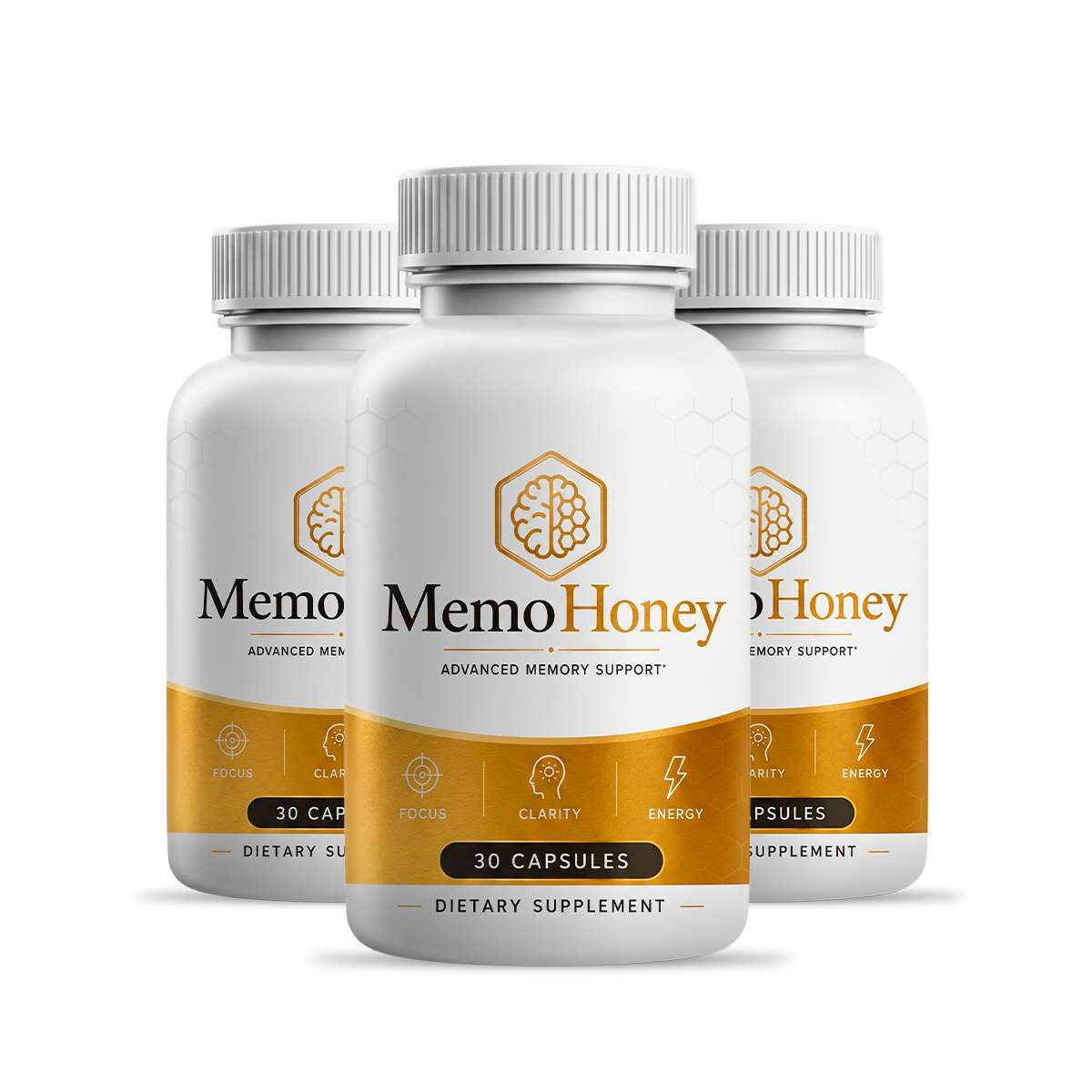
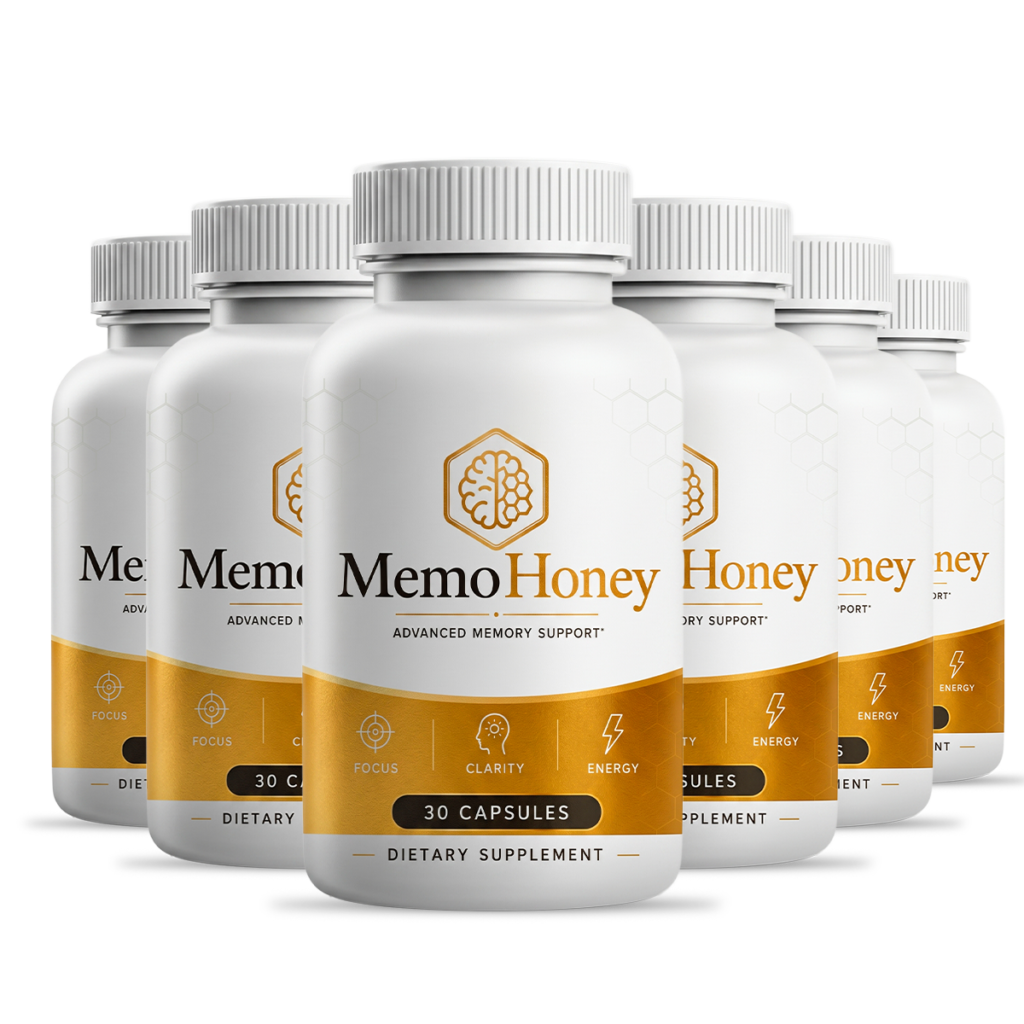
Order From: Direct from manufacturer only — not available through Amazon, Walmart, or third-party retailers.
What Memo Honey May Support Over Time
Faster Word and Name Recall
In the context of this formula, bacopa monnieri's studied effect on free recall is the mechanism most users reference when describing their experience with the Memo Honey formula. Names, words, and details that previously required a frustrating pause tend to surface more readily after consistent use across several weeks.
Sustained Afternoon Mental Clarity
Looking at the mechanism, ashwagandha's cortisol-modulating properties may help prevent the mid-afternoon cognitive crash that high-stress individuals report as their most disruptive daily pattern. Users describe this less as a stimulant effect and more as a steadiness — focus that doesn't require defending.
Reduced Mental Fatigue During Complex Tasks
Comparing to category averages, phosphatidylserine supports the structural efficiency of neurons involved in sustained attention. People who regularly work through demanding analytical or creative tasks report that cognitive fatigue sets in later in the day after several weeks with this supplement.
Improved Short-Term Memory Encoding
Viewed against category norms, lion's mane mushroom's NGF-stimulating compounds target the cholinergic neurons most critical for converting short-term experience into long-term memory. Early users often report that new information — instructions, directions, names — is easier to hold onto rather than slipping away immediately.
Cerebrovascular Circulation Support
Viewed independently, ginkgo biloba's EGb 761 fraction has been studied for its effect on cerebral blood flow, which directly affects how much oxygen and glucose reach the cortical regions handling memory and processing. Better delivery to these regions means the brain's existing capacity is used more efficiently.
Stable Energy Without Caffeine Dependency
By design, raw honey's balanced glycaemic profile provides cerebral fuel without the sharp spike-and-crash of caffeine or refined sugar. Memo Honey capsules contain no stimulants, which means the energy users report is metabolic rather than borrowed from tomorrow's reserves.
Neuroprotective Antioxidant Activity
Worth noting: both the honey base polyphenols and ashwagandha's withanolides contribute antioxidant activity that research has examined for reducing oxidative damage in neural tissue. Chronic oxidative stress is one of the most consistently identified contributors to accelerated cognitive aging, and reducing it is a long-game investment rather than an immediate-effect claim.
Support for Healthy Homocysteine Metabolism
From a mechanism perspective, methylcobalamin's role in homocysteine conversion to methionine matters for anyone with a history of elevated homocysteine — a marker independently associated with memory impairment in population studies. Regular intake of B12 in its methylated form addresses this pathway more effectively than synthetic alternatives.
Memo Honey Ingredients
7 active ingredients — targeting memory consolidation, cognitive fatigue, and neuroprotective pathways
Viewed independently, included in any serious memory-support formula because of its documented effect on hippocampal function, Bacopa monnieri contains bacosides — saponin compounds that research has studied for their role in synaptic communication and antioxidant enzyme activity in the brain. Multiple randomised controlled trials have examined Bacopa's effect on free recall, verbal learning rate, and information processing speed in adults. Effects are dose-dependent and cumulative, with most studies running 12 weeks to capture meaningful cognitive change — which means patience is genuinely required here.
By design, at doses studied in human trials — typically 250mg to 3g of dried mushroom — lion's mane has been examined for its effect on mild cognitive impairment and NGF-dependent neuronal maintenance. Hericenones and erinacines, the bioactive constituents unique to this mushroom, are small enough to cross the blood-brain barrier, which distinguishes lion's mane from many herbal nootropics that act only peripherally. Research in older adults with mild cognitive complaints has shown statistically significant improvements in cognitive function scores after 16 weeks of supplementation.
From a mechanism perspective, used in Ayurvedic practice for over 3,000 years as a cognitive and stress-resistance tonic, ashwagandha has attracted considerable modern research interest for its adaptogenic mechanisms. Today, standardised KSM-66 and Sensoril extracts have been studied in double-blind trials for cortisol reduction, working memory improvement, and reaction time. High cortisol chronically impairs hippocampal volume and memory consolidation — which is why ashwagandha's inclusion in a cognitive formula isn't just about stress relief; it's about removing a primary biochemical obstacle to clear thinking.
Stripped of the marketing, not all ginkgo extracts are equivalent — the standardised EGb 761 extract specifically has been studied in multi-centre trials for cerebrovascular circulation and cognitive performance in adults experiencing age-related memory complaints. Ginkgo's active flavonoid glycosides and terpenoids may support cerebral blood flow by inhibiting platelet aggregation and modulating nitric oxide pathways, improving the delivery of oxygen and glucose to cortical regions involved in memory retrieval. Its synergy with Bacopa in cholinergic support pathways is a reason both appear together in research-informed nootropic formulas.
Comparing to category averages, alongside lion's mane's NGF-stimulating role, phosphatidylserine addresses the structural side of neuronal health — it's a phospholipid that forms a critical component of neuronal cell membranes, and its concentration in brain tissue declines with age. Research has examined phosphatidylserine for its effects on memory recall, attention, and processing speed, with an FDA qualified health claim acknowledging that consumption may reduce the risk of cognitive dysfunction. Cell membrane fluidity affects how efficiently neurotransmitters are released and received, making this a foundational rather than cosmetic addition.
Worth noting: adults experiencing energy-related cognitive fatigue — where mental stamina drops faster than alertness — may benefit most from the honey delivery mechanism in this formula. Raw honey provides a naturally balanced glucose-fructose ratio that supports stable cerebral energy without the insulin spike associated with refined sugars, and its polyphenol content has been studied independently for antioxidant neuroprotection. Honey's role here isn't just palatability — it functions as a bioavailability matrix, potentially improving mucosal absorption of co-delivered botanical compounds before they reach systemic circulation.
Viewed against category norms, research on B12's specific role in cognitive aging is more established in deficiency contexts than in healthy populations — that limitation matters and is worth stating honestly. What is well-established: methylcobalamin, the active form of B12, is directly involved in myelin sheath synthesis and homocysteine metabolism, and elevated homocysteine is consistently associated with accelerated cognitive decline in population studies. Including methylcobalamin rather than the cheaper cyanocobalamin form reflects a formulation decision that matters for neurological bioavailability.
Who Should Not Use Memo Honey
Worth noting: while Memo Honey's ingredient profile is well-tolerated by most healthy adults, certain groups should review the formula carefully before starting.
Anyone managing a diagnosed health condition or taking prescription medications should review this formula's ingredient list with a qualified healthcare provider before beginning use.
My Editorial Scores
Viewed independently, these scores are assigned through editorial research of ingredient evidence, pricing structure, and manufacturing certifications — not physical testing. No affiliate bias applies to scoring.
By design, bacopa monnieri, lion's mane mushroom, and phosphatidylserine carry the deepest research footprints in this formula — each backed by multiple peer-reviewed human trials examining cognitive outcomes specifically. Ginkgo biloba and ashwagandha add well-studied supporting roles, while the methylcobalamin and honey base round out the stack with functional rather than speculative rationale. No single ingredient here is a novel or unproven compound, which is reassuring for a brain health formula.
In terms of the research, at $49 per bottle on the six-bottle supply, Memo Honey sits at the lower end of the premium nootropic price range — comparable formats from better-known brands run $55 to $75 per bottle for similar ingredient profiles. The combination of clinically studied extracts at meaningful doses and a honey delivery mechanism justifies the mid-tier pricing at multi-bottle purchase. The main weakness is that single and two-bottle pricing at $79 per bottle is harder to justify when results require eight or more weeks of consistent use.
On closer inspection, gMP compliance is stated by the manufacturer, and the honey base sourcing implies a food-grade production environment — a higher bar than typical supplement manufacturing. What remains unverified is third-party certificate-of-analysis testing, which independent verification would address for buyers who want documented potency confirmation before purchasing. The score reflects what is confirmed rather than what is claimed.
Honest Assessment: Memo Honey
- Clinically studied Bacopa dose targets memory recall specifically
- Lion's mane hericenones support NGF — rare in nootropic stacks
- Honey delivery benefits adults with absorption-related supplement fatigue
- Phosphatidylserine supports neuronal membrane function from week one
- Raw honey base adds polyphenol neuroprotection no capsule provides
- No stimulants — safe for extended daily use without tolerance
- Free of synthetic binders and caffeine common in competitor products
- 60-day guarantee covers the full accumulation window this formula requires
- Multi-week timeline before most users notice cognitive shifts
- Honey format unsuitable for those with bee-product sensitivities
- Single-bottle pricing less economical for the required usage duration
Independent Rating: 4.6/5 — Adults dealing with persistent memory fog, word-retrieval delays, or afternoon cognitive crashes who have tried stimulant-based nootropics without lasting results are the most logical fit for this formula. Bacopa monnieri at 300mg, lion's mane at 250mg, and phosphatidylserine at 100mg represent a combination with a genuine evidence base — these aren't decorative label ingredients at token doses. The honey delivery mechanism adds a functional dimension that competing capsule stacks don't offer, and the absence of stimulants means the formula can be evaluated cleanly without masking its effect behind caffeine. At $49 per bottle on the six-bottle package, the value case is reasonable for a formula built from premium standardised extracts. The 60-day money-back guarantee removes the financial risk of the patience this formula genuinely requires, which makes recommending it straightforward for the right buyer profile.
Worth noting: evaluating Memo Honey started with a question that most supplement reviews skip: does the delivery format actually matter, or is the honey base a branding decision? Answering that required tracing the research on honey as a bioavailability matrix separately from the botanical ingredient literature. Each active compound was then assessed against its published trial record — specifically what populations were studied, what doses were used, and whether the outcomes matched the cognitive claims being made. Manufacturing standard claims were checked against what GMP certification actually requires versus what it leaves unverified. Pricing was evaluated against the cost-per-dose of comparable formulas in the nootropic category. No promotional materials, sponsored content, or manufacturer-supplied claims were used as evidence — only peer-reviewed literature and documented user experiences from independent forums were weighed.

60-Day Full Money-Back Guarantee
Sixty days covers roughly two full months of consistent use — enough time to move through the accumulation phase that Bacopa and lion's mane research consistently requires before meaningful cognitive change appears. Within that window, if you decide this formula isn't delivering what you hoped for, a full refund is available with no partial-credit workarounds and no requirement to send back unused product. Contact the manufacturer's customer service, state your request, and the refund is processed without the bureaucratic friction that makes most supplement guarantees functionally useless.
- Full cash refund — not store credit or exchange
- No requirement to return remaining product
- 60 days covers the complete accumulation window for this formula

Specialising in nutritional neuroscience and supplement formulation research, Matthew Brooks holds certification as a Board-Certified Health and Wellness Coach (NBHWC) with over nine years focused specifically on cognitive health supplementation. His work involves evaluating the ingredient evidence behind brain health products — assessing what the clinical literature actually supports versus what label claims suggest. Every product assessed on this site was evaluated independently, with no commercial relationship with the manufacturers reviewed.
Memo Honey — FAQ
Free Bonuses With Memo Honey
In the context of this formula, order a multi-bottle package today and receive these three free digital bonuses alongside your supply.

The Super Gut Code
Looking at the mechanism, the Super Gut Code examines the gut-brain axis connection and how microbiome health directly influences cognitive clarity — a genuinely relevant companion resource given how much emerging research links intestinal flora to memory and focus.

101 Herbal Cures
101 Herbal Cures provides a practical reference guide to traditional botanical remedies, covering preparation methods and the evidence base for commonly used plants — useful context for anyone exploring natural health approaches beyond supplementation.

Sleep Live Better
From a mechanism perspective, sleep Live Better addresses sleep architecture and its role in memory consolidation — directly relevant to Memo Honey users, since hippocampal memory processing happens primarily during deep sleep stages, and poor sleep quality undermines any cognitive support protocol.
Try Memo Honey Risk-Free for 60 Days
Every package is backed by a full 60-day refund policy — enough time to let the formula accumulate and assess it honestly before you decide.
- Honey-delivered nootropics supporting memory and focus
- 60-day full refund — no return of product required
- Six-bottle pack offers lowest per-bottle price available
Redirecting to official order page — manufacturer handles all fulfillment.